

-1-700x700-1.jpg)

FTLDRM168B Dialyzer Reprocessor – Dual-Station Hemodialyzer Reprocessing Machine
The FTLDRM168B Dialyzer Reprocessor is a specialized medical equipment system designed for reprocessing compatible reusable hemodialyzers in hospitals, dialysis centers, and renal care facilities operating approved dialyzer reuse programs.
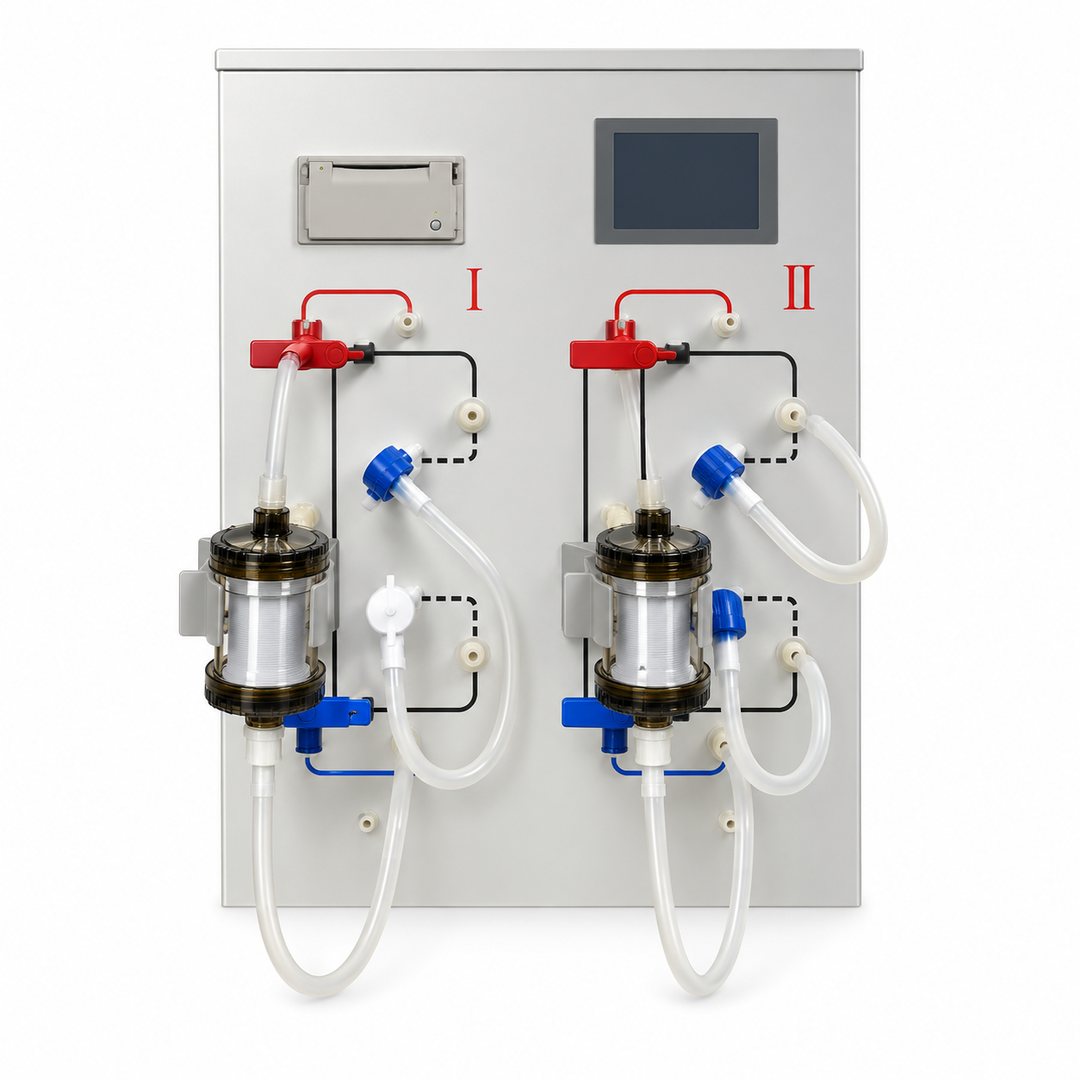
Featuring a dual-station configuration visible in the product catalog, the FTLDRM168B provides two dialyzer connection assemblies within one equipment unit. The machine has a catalog-listed reprocessing cycle of approximately 12 minutes, a 150W input power rating, and defined water supply requirements.
With dimensions of 480 × 380 × 580 mm and a weight of 35 kg, the system is designed for installation in dedicated dialyzer reprocessing areas.
Key Features & Benefits
1. Dual-Station Reprocessing Configuration
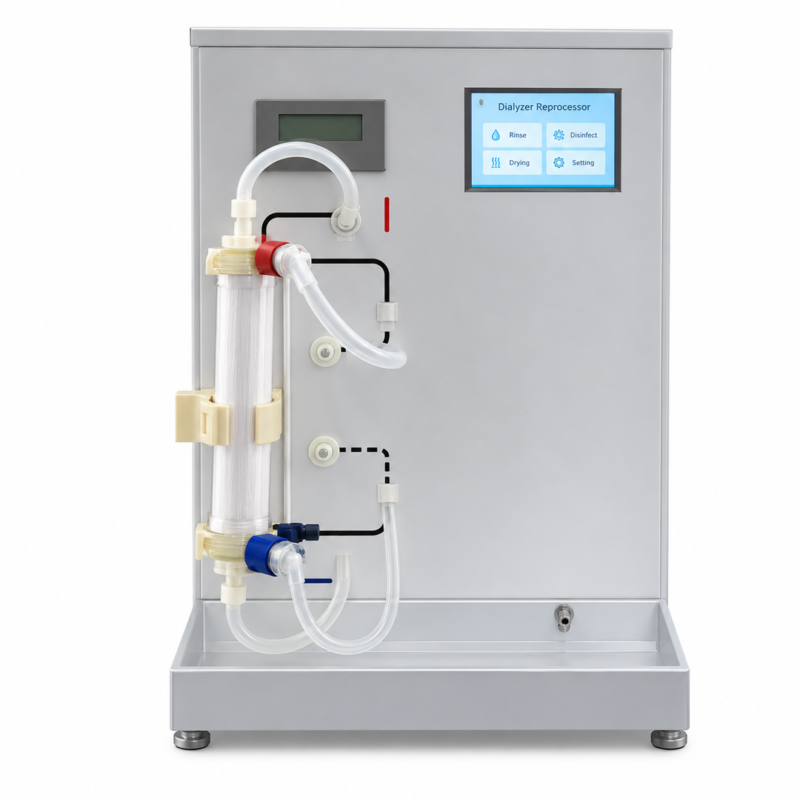
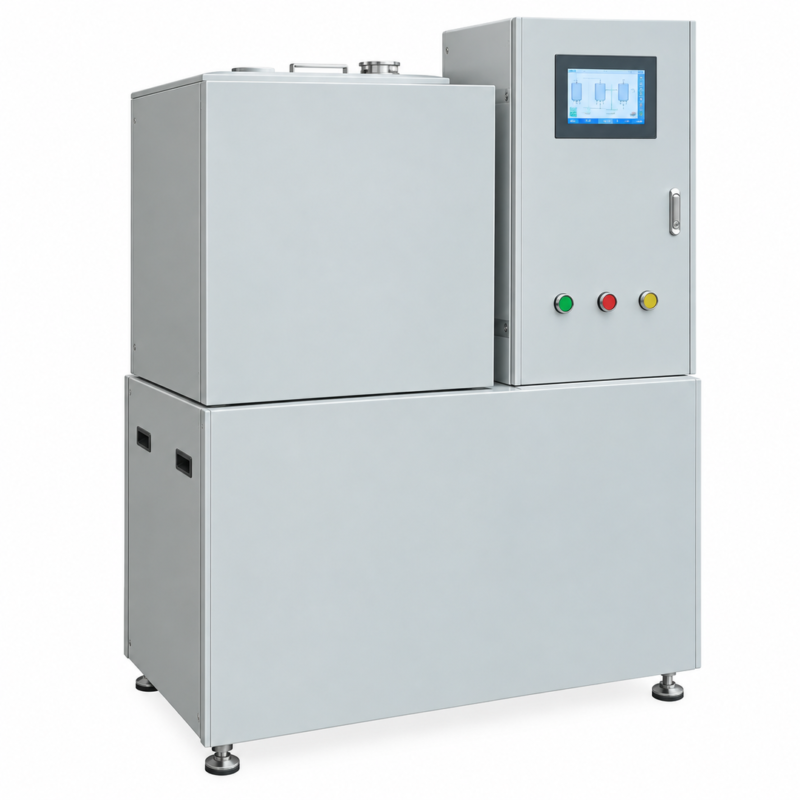
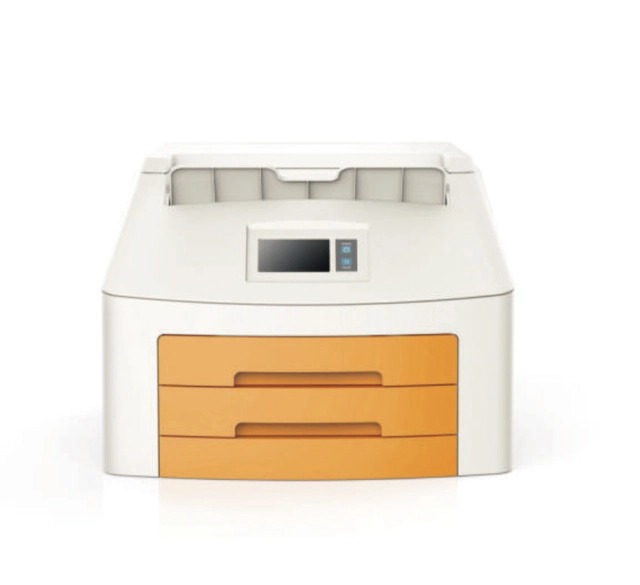
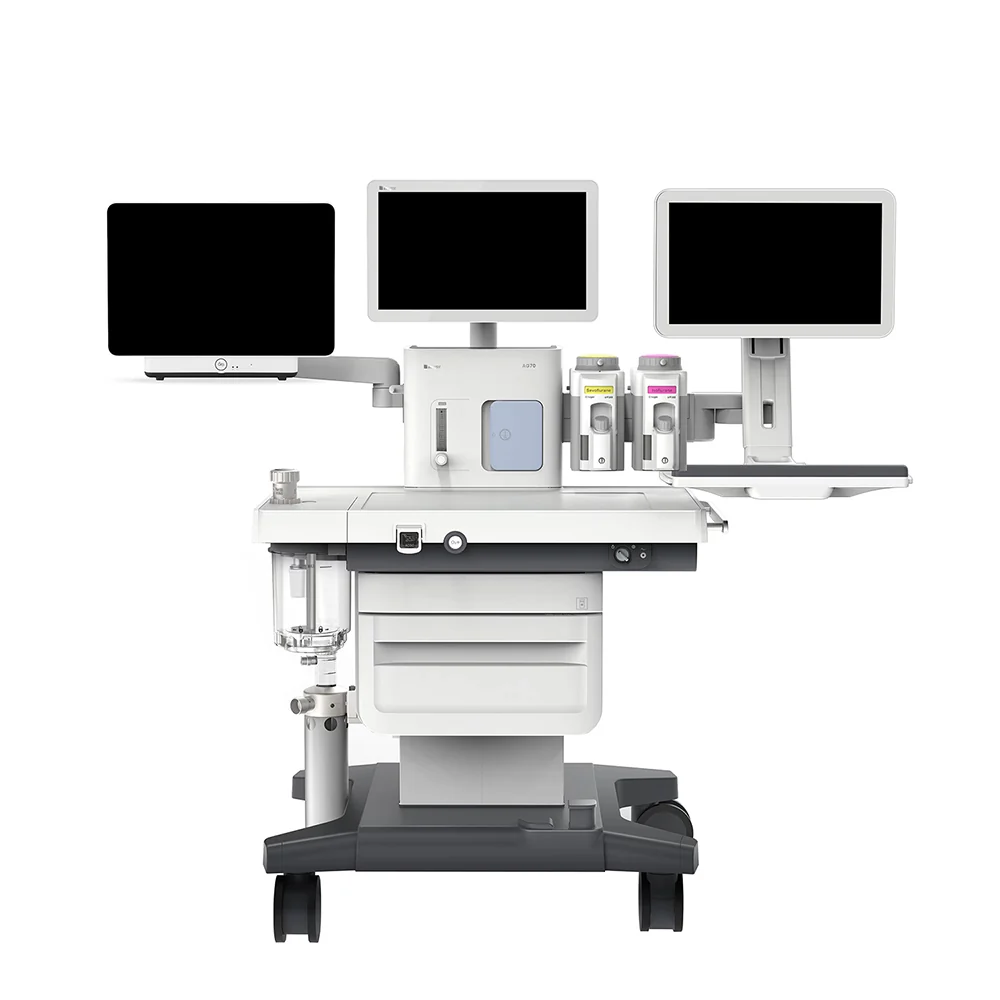
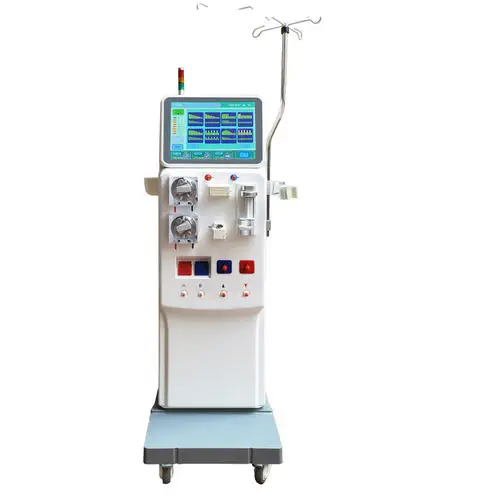
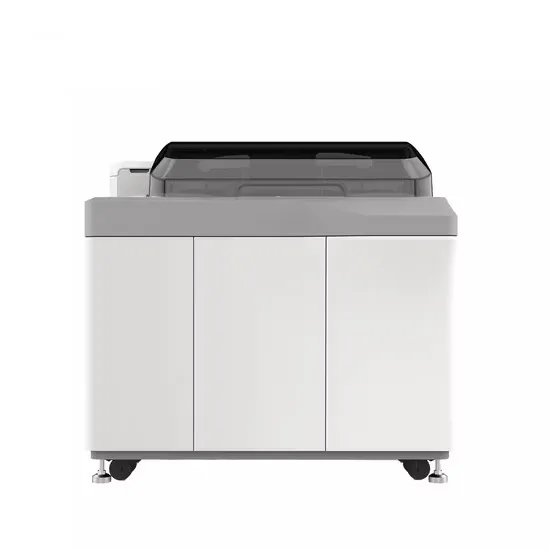
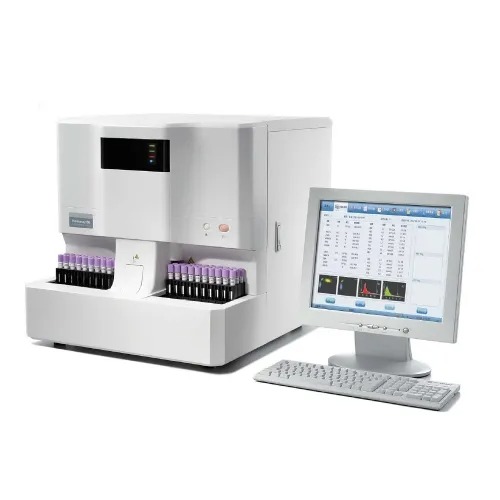
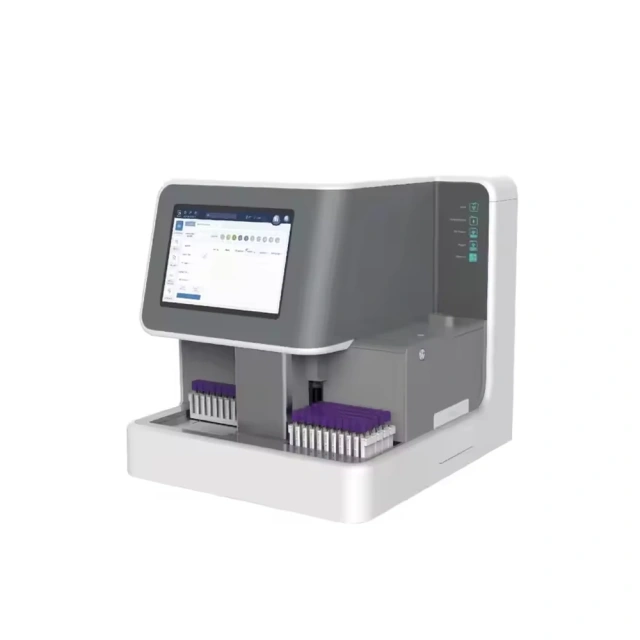
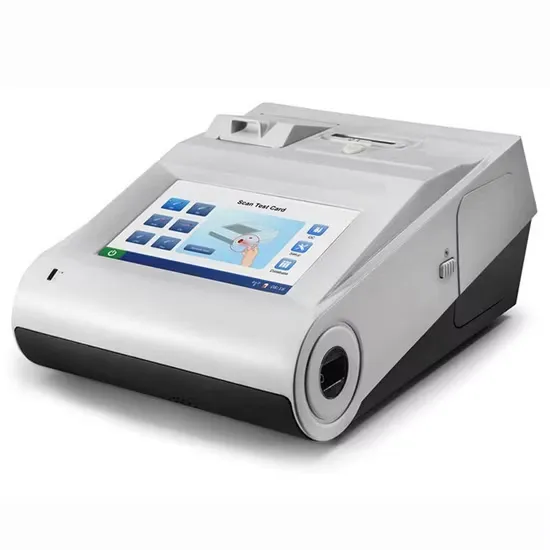
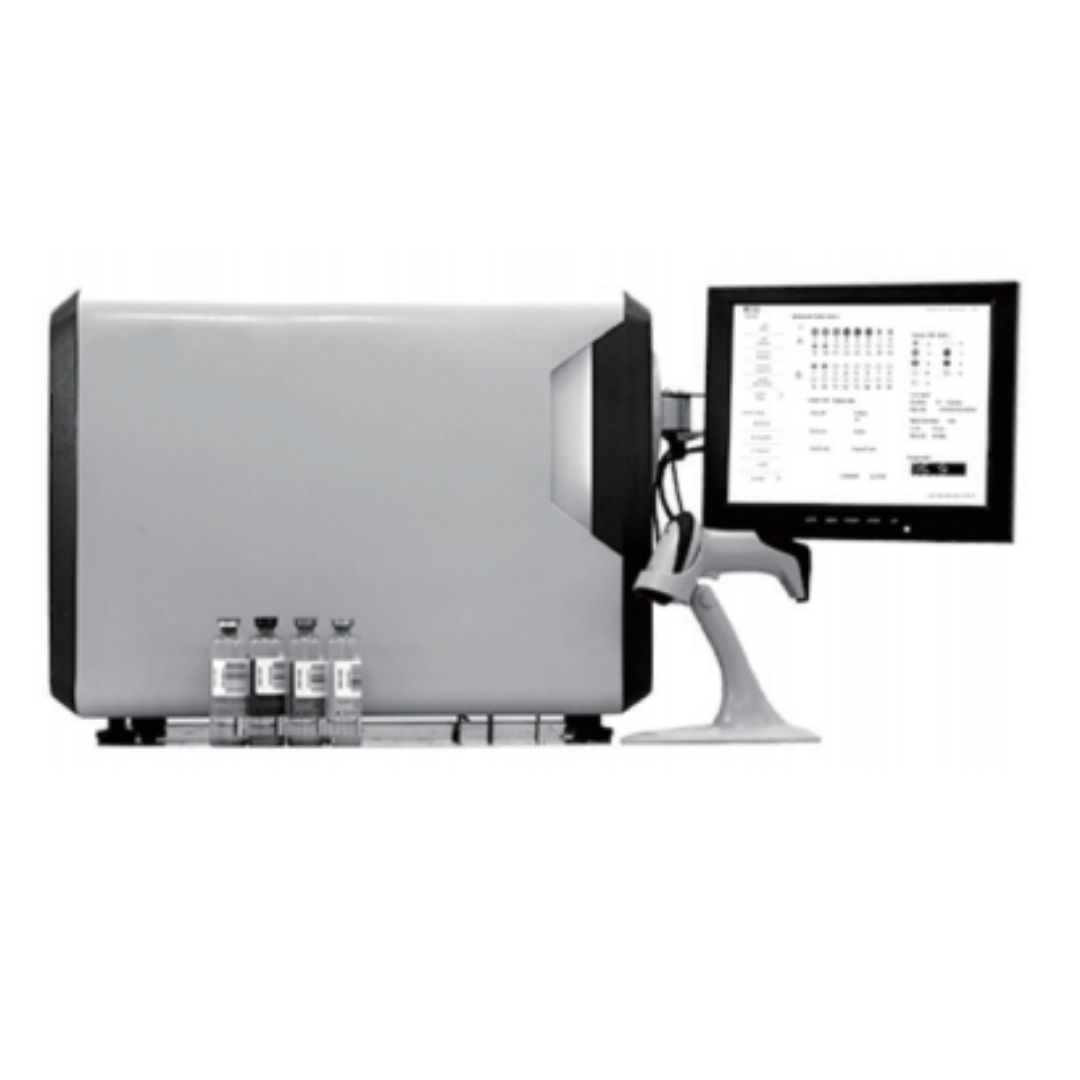
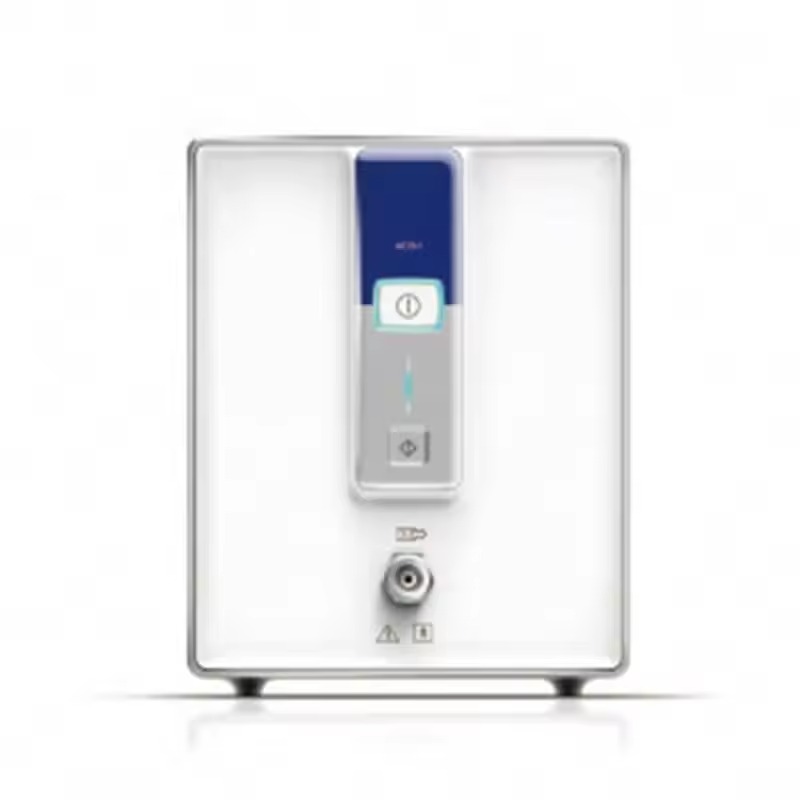
The product image shows two dialyzer connection stations, providing a dual-station equipment layout. Simultaneous or independent processing capabilities require manufacturer confirmation.
2. Approximately 12-Minute Reprocessing Cycle
The catalog lists a reprocessing time of approximately 12 minutes per cycle, subject to the validated procedure and operating conditions.
3. Compact Medical Equipment Design
Features an overall size of 480 × 380 × 580 mm for consideration in dedicated dialysis reprocessing workspaces.
4. Digital Control Interface
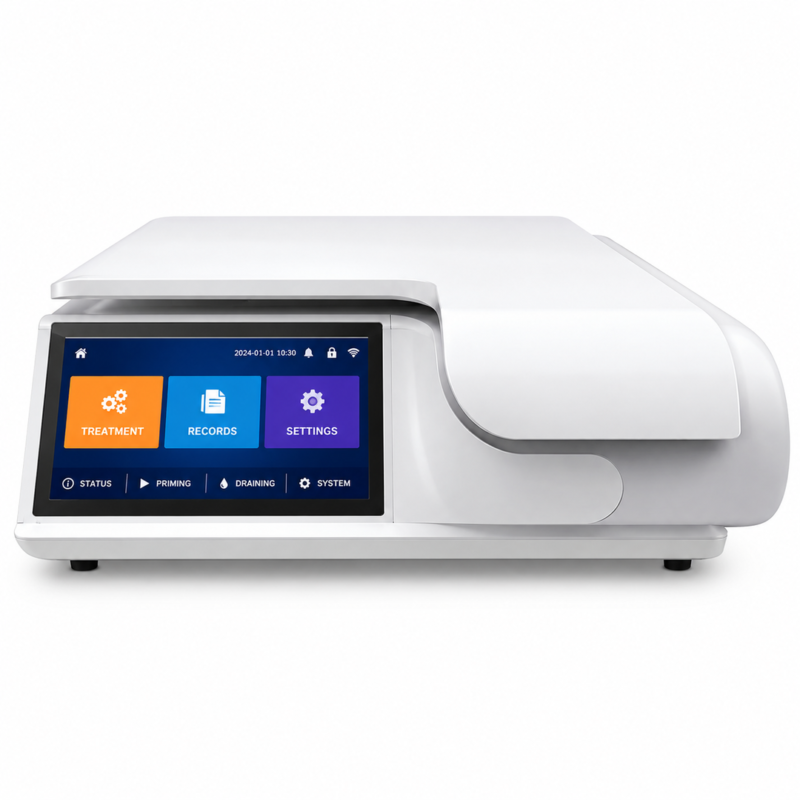
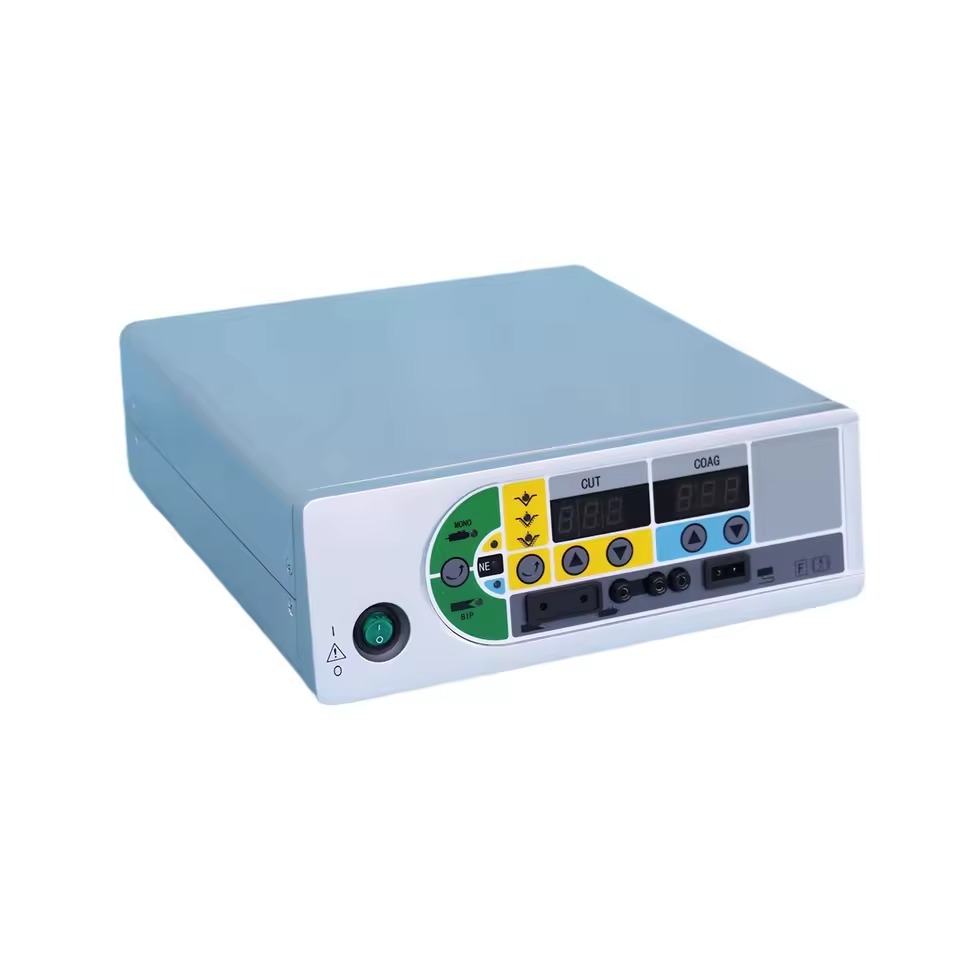
The catalog image shows a front-mounted display and control components for equipment operation and monitoring.
5. Defined Water Pressure Requirements
Specifies a water inlet pressure range of 0.15–0.35 MPa, equivalent to approximately 21.75–50.75 PSI.
6. Minimum Water Inlet Flow
Requires a minimum water inlet flow rate of 1.5 L/min according to the supplied catalog.
7. Water Temperature Compatibility
Supports an inlet water temperature range of 10–40°C.
8. 150W Input Power
Operates with a catalog-listed 150W input power rating and AC 220V electrical supply.
9. Specified Operating Conditions
Designed for operation within an ambient temperature range of 5–40°C and relative humidity not exceeding 80%.
10. Dedicated Dialysis Reprocessing Applications
Intended for use in healthcare facilities with validated dialyzer reuse protocols, appropriate water quality controls, and trained personnel.
Applications
The FTLDRM168B may be suitable for manufacturer-approved applications in:
- Hospital hemodialysis departments
- Dialysis centers with authorized dialyzer reuse programs
- Renal care facilities
- Dedicated hemodialyzer reprocessing rooms
- Medical facilities operating validated reusable dialyzer workflows
Reprocessing must follow applicable regulations, manufacturer instructions, infection prevention requirements, and patient-specific traceability procedures.
Why Choose the FTLDRM168B Dialyzer Reprocessor?
The FTLDRM168B combines a dual-station equipment layout, digital controls, defined water supply specifications, and an approximately 12-minute reprocessing cycle in one compact medical equipment system.
Its 35 kg construction and specified operating requirements provide useful technical information for hospitals and dialysis centers evaluating reusable dialyzer reprocessing equipment.
Before procurement or clinical implementation, facilities should confirm whether both stations can operate simultaneously, the compatible dialyzer models, validated cleaning and disinfection procedures, residual disinfectant testing, membrane integrity checks, and applicable regulatory authorization.